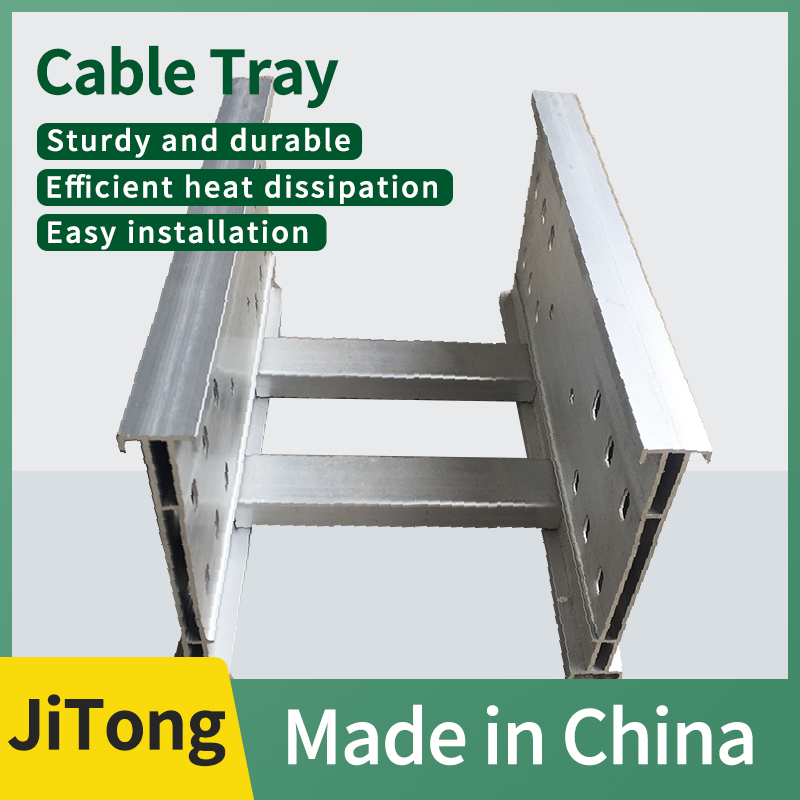
Dimensions (Width × Height, unit: mm):
(1) Height 50 Series: 100×50, 150×50, 200×50, 300×50, 400×50
(2) Height 100 Series: 100×100, 150×100, 200×100, 300×100, 400×100, 500×100, 600×100, 800×100
(3) Height 150 Series: 200×150, 300×150, 400×150, 500×150, 600×150, 800×150, 1000×150
(4) Height 200 Series: 300×200, 400×200, 500×200, 600×200, 800×200, 1000×200, 1200×200
(5) Extra‑long Span / Special Widened Cable Tray for Power Plants: 1000×100, 1000×150, 1000×200, 1200×200
Plate Thickness (unit: mm): 1.0/1.2/1.5/2.0/2.5/3.0/3.5
Ⅰ. Product Definition
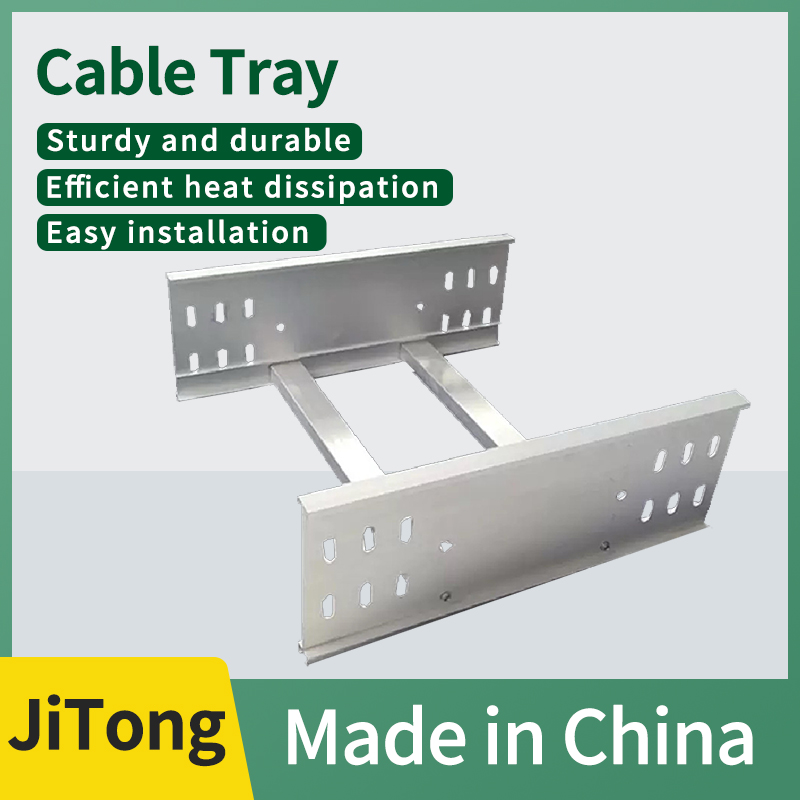
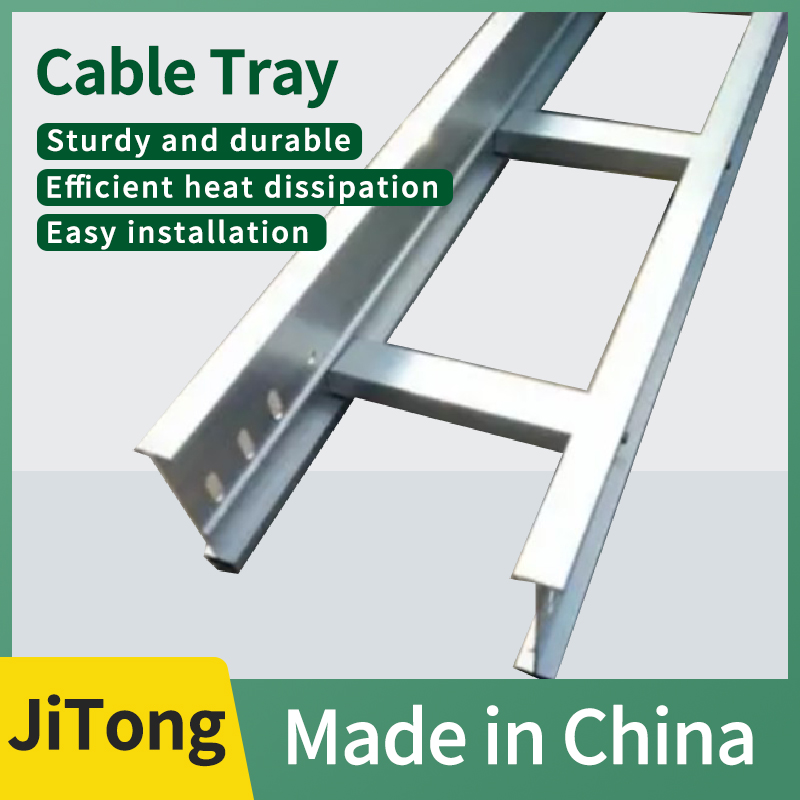
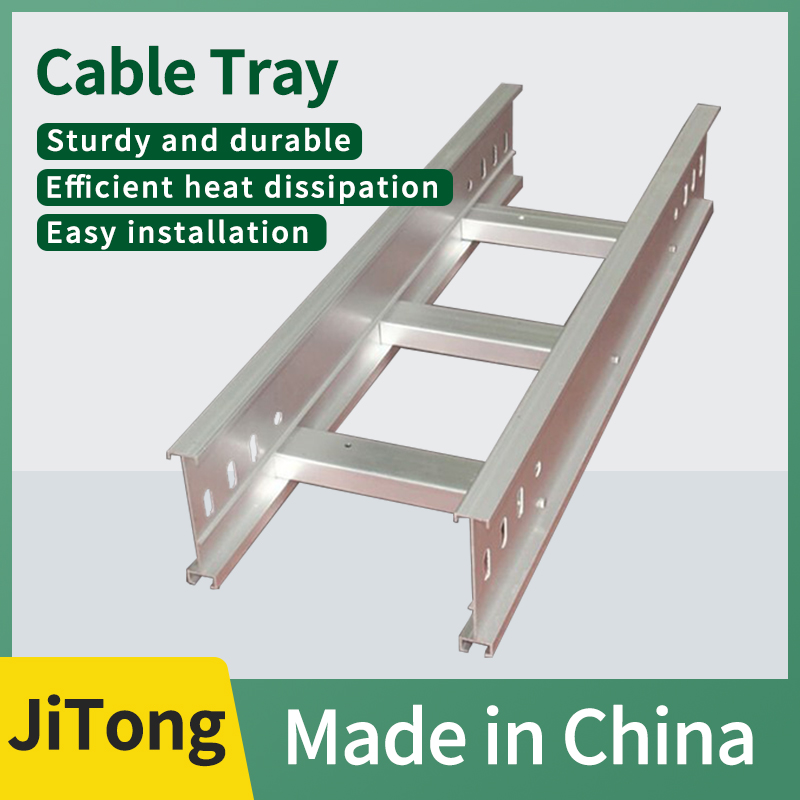
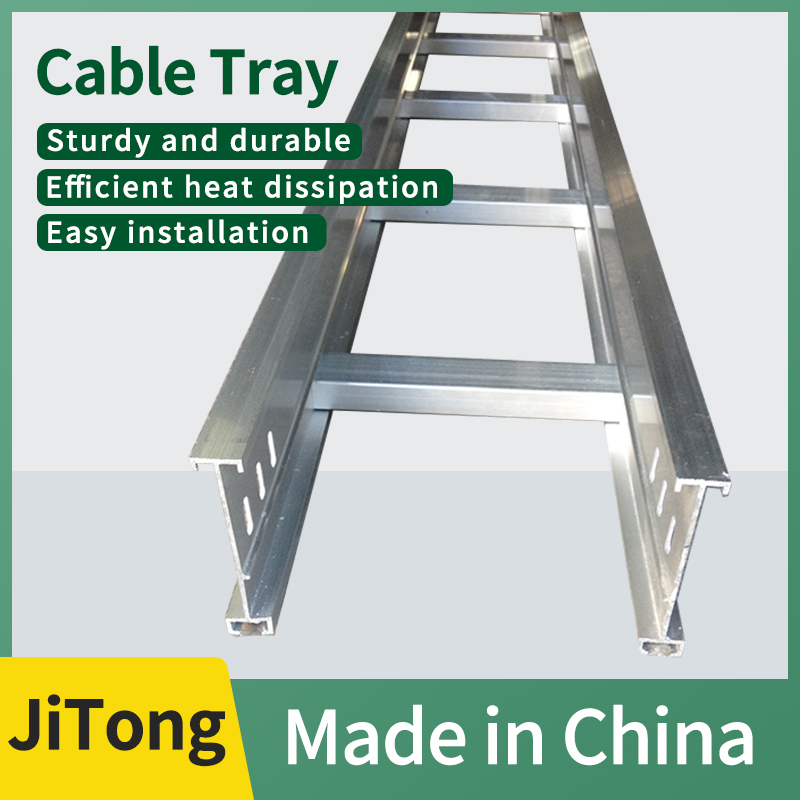
Aluminum alloy ladder cable tray, processed with aluminum magnesium silicon alloy profiles, consists of double-sided raised bent longitudinal beams and horizontal aluminum alloy ladder stops to form an open ladder hollow structure. It is equipped with aluminum alloy cover plates of the same material and a complete set of aluminum connectors. It has the characteristics of ultra light weight, ultimate heat dissipation, natural explosion resistance, and weak salt spray and humidity resistance, suitable for laying high-voltage large section power cables. It is a lightweight wiring product for high-rise ceilings, explosion-proof workshops, and mildly corrosive factory areas.
Mainstream materials:
1.6063-T5 universal model, high cost performance, suitable for indoor and inland humid environments, and universal power backbone in computer rooms;
2.6061-T6 enhanced version, with higher strength, specifically designed for high voltage cables with large spans of over 3m and heavy loads;
3.1060 pure aluminum version, good rust prevention, only suitable for short distance branch lines in clean workshops.
Ⅱ. Complete production process flow
1. Integrated molding of ladder frame: CNC bending of aluminum alloy sheet, double-layer reinforcement of side plates, full welding fixation of ladder stops, ladder spacing of 150/200/300mm; thickness of 1.2-3.0mm, width of 600mm or more ≥ 1.5mm, single section 2m/4m, customizable 6m extension.
2. Surface anti-corrosion treatment:
① Anodizing (standard, film thickness 10-15 μ m, resistant to weak salt spray); ② Powder coating, multi-color decoration; ③ Fluorocarbon spray coating, high weather resistance outdoors.
3. Accessory matching: Unified aluminum alloy for connectors, cover plates, and partition plates; Insulation gaskets must be added to the carbon steel bracket to prevent electrochemical corrosion.
Ⅲ. Complete set of aluminum alloy matching accessories
1. Direct accessories: thickened aluminum alloy connecting pieces, aluminum alloy bolts, stainless steel grounding braided tape;
2. Irregular turning parts: 90 °/45 ° horizontal bending, vertical up and down bending, tee, four-way, reducing diameter;
3. Functional accessories: split aluminum alloy protective cover plate, aluminum alloy metal partition plate;
4. Support system: aluminum alloy support arm, aluminum alloy column, seismic support hanger.
Ⅳ. Seven core advantages
1. The self weight is only one-third of that of steel, greatly reducing the load-bearing capacity of ceilings and roofs, making manual installation effortless, and increasing construction efficiency by 40%;
2. Fully hollowed out and high thermal conductivity aluminum material, with optimal heat dissipation performance, significantly reducing the operating temperature rise of high-voltage cables and delaying insulation aging;
3. An aluminum oxide rust proof film is formed on the surface, which prevents rusting in damp underground areas and riverside factories for a long time. Cutting sections do not require zinc rich repair paint;
4. Aluminum impact has no sparks, is naturally explosion-proof, and can be directly used in workshops where oil, gas, and dust are flammable and explosive;
5. It does not crack at low temperatures of -40 ℃, and has a stable structure in harsh outdoor environments in the north. It is equipped with expansion joints to eliminate thermal expansion deformation;
6. The open structure is easy to maintain, with visible cables and natural dripping of accumulated water and oil, making it less prone to corrosion caused by water accumulation;
7. The appearance is matte and clean, with 100% recyclable aluminum material and no rust residue, suitable for dry food cleanrooms.
Ⅴ. Applicable scenarios
1. High voltage power backbone for high-altitude suspended ceilings in airports, high-speed railway stations, and high-rise office buildings, lightweight and reducing building loads;
2. A large number of heating high-voltage cables are laid in data centers, distribution rooms, and photovoltaic plant areas;
3. Underground garages, underground pipe trenches, and indoor riverbanks with mild humidity for outdoor wiring;
4. Flammable and explosive wiring areas such as oil and gas warehouses and dust explosion-proof workshops;
5. Roofs and outdoor distribution corridors in cold northern regions;
6. Power distribution for dry food clean workshops and medium span factories within 3 meters.
Ⅵ. Key points of construction and installation specifications
1. Insulation gaskets must be installed to prevent electrochemical corrosion when aluminum alloy bridge frames come into contact with carbon steel brackets and bolts;
2. Each section of the bridge is grounded with a stainless steel braided strip, and the overall grounding resistance is ≤ 4 Ω;
3. Install aluminum alloy expansion joints for outdoor laying with a length exceeding 30m to counteract thermal expansion and contraction deformation;
4. Aluminum alloy partition plates must be installed on the same ladder for strong and weak electricity, and protective covers must be covered throughout the dust and outdoor areas;
5. The single span should not exceed 3m, and thicker versions should be used for long spans with heavy loads, with a deflection of ≤ L/200;
6. On site cutting and polishing should be smooth, and aluminum specific anti-corrosion varnish should be lightly coated in damp areas. Zinc rich paint is prohibited;
7. Install fireproof sealing materials at the locations of through walls and floor slabs to block the spread of flames and smoke;
8. All explosion-proof areas use aluminum alloy fittings, and it is prohibited for carbon steel fasteners to be exposed and collide to produce sparks.