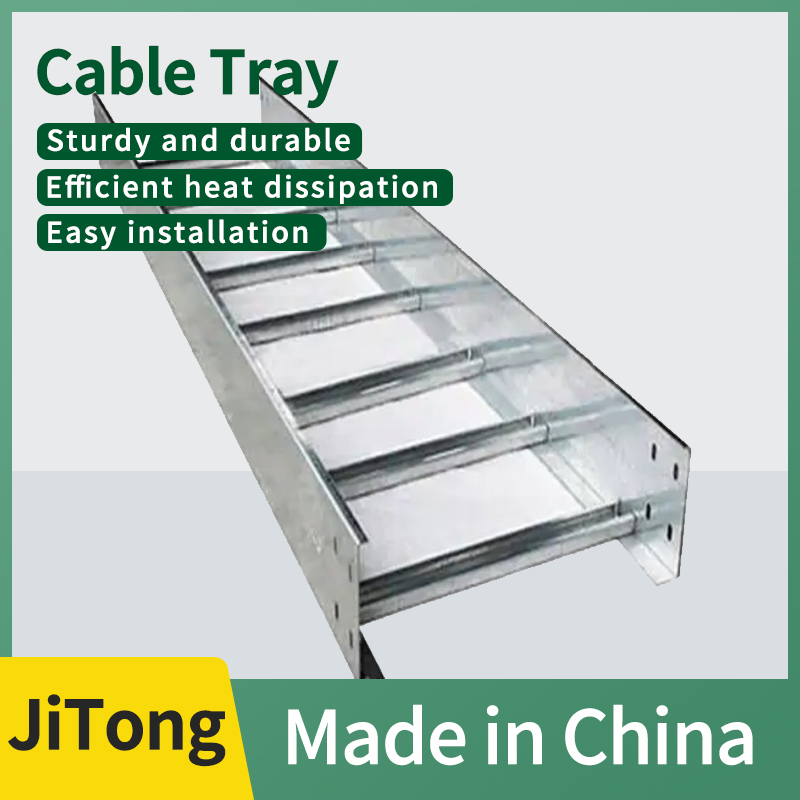
Dimensions (Width × Height, unit: mm):
(1) Height 50 Series: 100×50, 150×50, 200×50, 300×50, 400×50
(2) Height 100 Series: 100×100, 150×100, 200×100, 300×100, 400×100, 500×100, 600×100, 800×100
(3) Height 150 Series: 200×150, 300×150, 400×150, 500×150, 600×150, 800×150, 1000×150
(4) Height 200 Series: 300×200, 400×200, 500×200, 600×200, 800×200, 1000×200, 1200×200
(5) Extra‑long Span / Special Widened Cable Tray for Power Plants: 1000×100, 1000×150, 1000×200, 1200×200
Plate Thickness (unit: mm): 1.0/1.2/1.5/2.0/2.5/3.0/3.5
Ⅰ. Product Definition
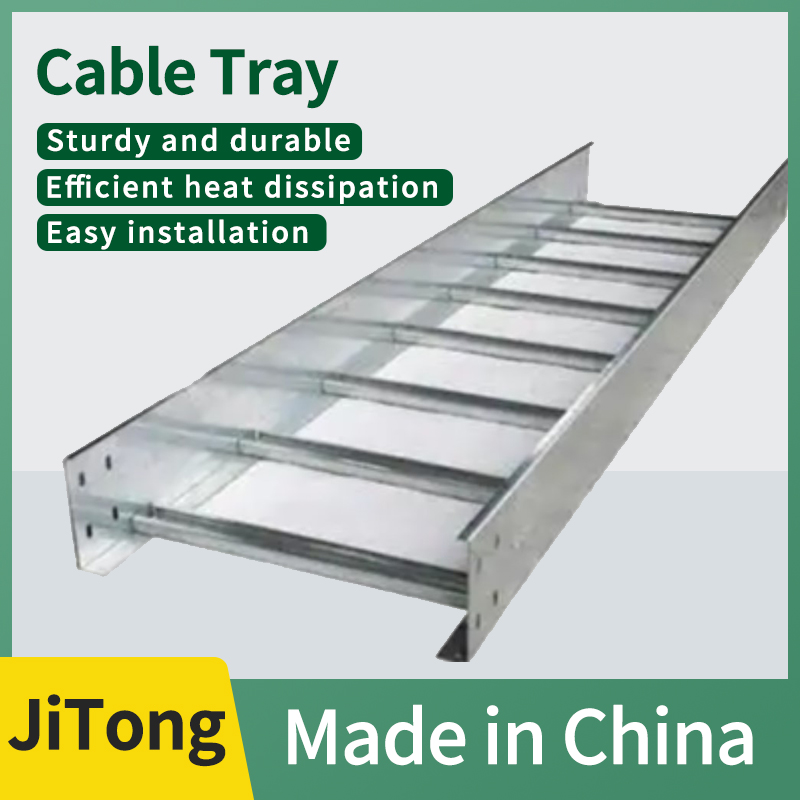
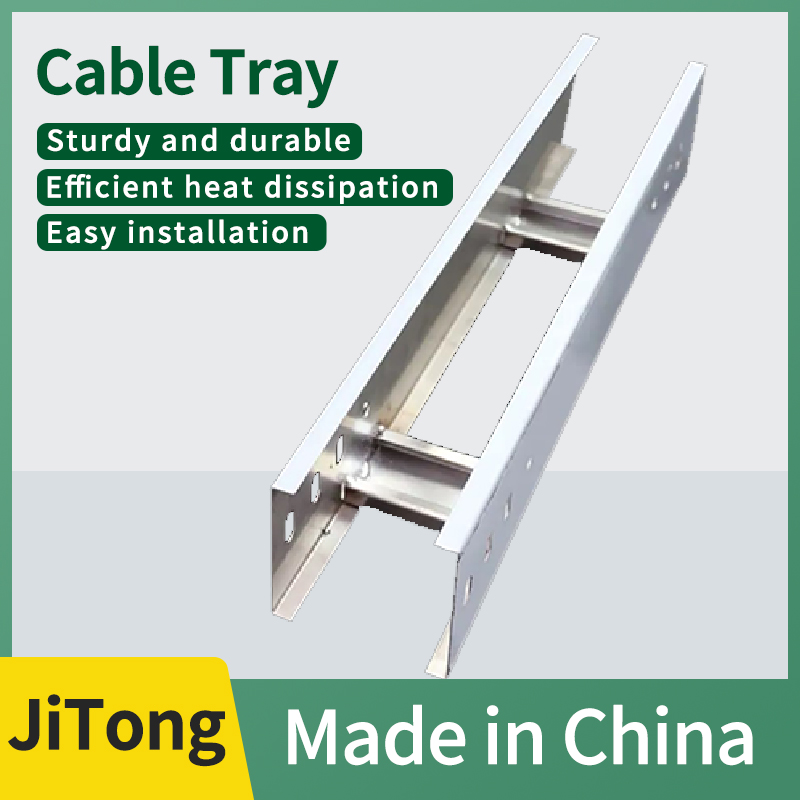
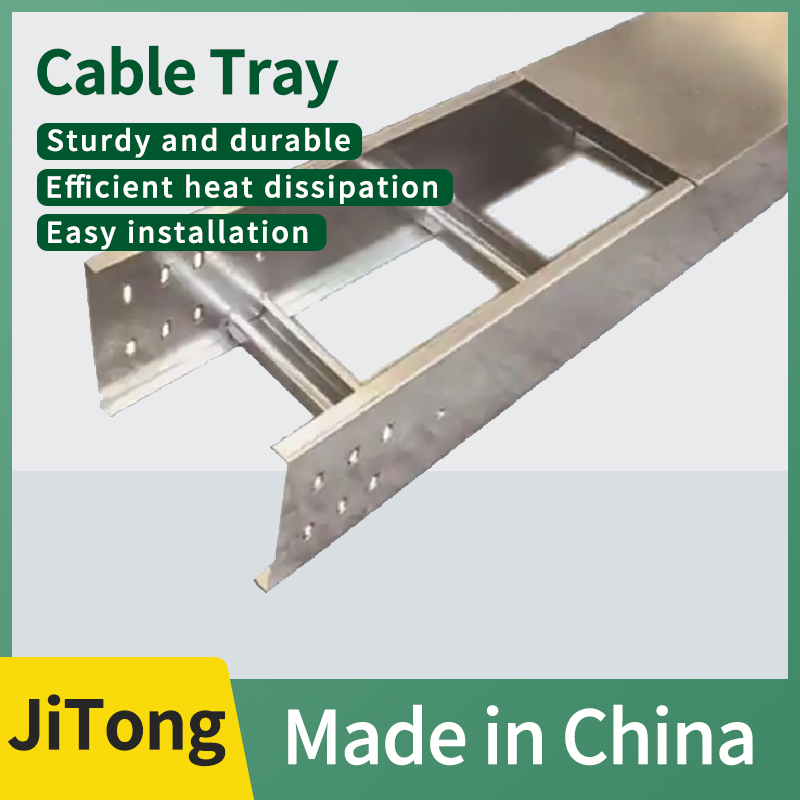
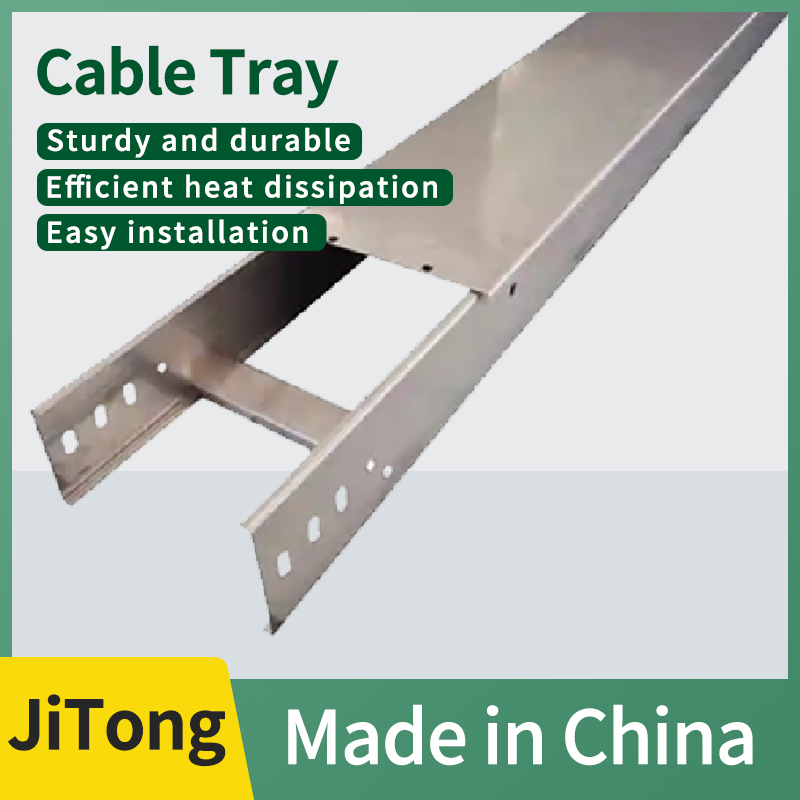
The stainless steel ladder cable tray is made of 201/304/316L stainless steel plate, and is composed of double-sided double-layer bent longitudinal beams and transverse fully welded ladder stops to form an open ladder hollow structure. It is equipped with stainless steel cover plates of the same material and a complete set of stainless steel connectors. It relies on the stainless steel’s own chromium nickel passivation film to achieve original growth effect anti-corrosion, and has the characteristics of ultimate heat dissipation, heavy load bearing, acid alkali salt spray resistance, and clean high temperature resistance. It is a dedicated wiring carrier for high-voltage large section power cables in high corrosion environments such as coastal areas, chemical industries, food and medicine, and offshore platforms.
Three mainstream stainless steel materials and their applicable environments
201 stainless steel
Chromium manganese alloy, with the lowest cost; Only suitable for non corrosive power branch lines in dry rooms. Rust spots are easily generated in humid and slightly salt spray environments, and industrial backbones are rarely selected.
304 stainless steel (06Cr19Ni10)
18 chromium 8 nickel standard austenitic stainless steel, forming a dense anti rust passivation film; Resistant to rainwater, weak acidity and alkalinity, and mild salt spray, with the highest cost-effectiveness. It is commonly used in food factories, ordinary damp factories, and inland chemical workshops.
316/316L stainless steel (022Cr17Ni12Mo2)
Adding molybdenum element significantly improves resistance to chloride ion corrosion; 316L is a low-carbon model with no intergranular corrosion during welding. It is mandatory for use in coastal ports, offshore wind power, sewage treatment, electroplating, and high salt spray heavy corrosion scenarios.
Ⅱ. Complete production process flow
1. Integrated molding of ladder frame
CNC cutting of stainless steel coil → double-layer bending reinforcement of side panels (to enhance bending rigidity) → stamping and forming of ladder stops, fully welded and fixed with longitudinal beams; The standard spacing for ladder stops is 150/200/300mm, and for heavy-duty conditions, the ladder stops are increased by 150mm; Prefabricated elongated connecting holes and lifting holes for side panels; Synchronize the processing of a complete set of irregular parts such as horizontal bends, vertical bends, tees, and variable diameters, and polish the welds smoothly without burrs.
Sheet thickness specification:
Width ≤ 300mm: 1.0/1.2mm
300~600mm:1.5/2.0mm
≥ 600mm heavy-duty large-span: 2.0/2.5/3.0mm
The standard single section length is 2000mm, and a 6m large-span stainless steel ladder frame can be customized.
2. Surface passivation and anti-corrosion treatment
Degreasing and cleaning after forming and welding → acid pickling, passivation, neutralization → rinsing with clean water and drying; The surface is divided into two types: HL brushed matte and BA mirror polished, which generate a permanent dense passivation film, isolate water vapor, chloride ions, acid and alkali media, and have no risk of coating peeling or detachment.
3. The entire system is matched with the same material
The connecting pieces, bolts and nuts, support arms, columns, and partition plates are all made of stainless steel of the same grade as the ladder frame, to prevent electrochemical corrosion caused by contact between carbon steel dissimilar metals.
Ⅲ. Complete set of stainless steel accessories
Direct accessories: thickened stainless steel connecting plate, 304/316 stainless steel bolts, stainless steel grounding braided tape;
Irregular turning parts: 90 ° horizontal bend, 45 ° horizontal bend, vertical up/down bend, tee, four-way, reducing diameter;
Functional accessories: Split stainless steel protective cover plate, stainless steel metal partition plate;
Support system: Same material stainless steel support arm, stainless steel column, seismic support hanger.
Ⅳ. Six core advantages
1. Hollow out and fully transparent, with the best heat dissipation performance in the industry
The fully open structure without a bottom plate allows for all-round air convection, and the heat generated during cable operation is quickly dissipated. Compared to stainless steel trough/tray type cable trays, the temperature rise of cables is reduced by 10-15 ℃, making it perfect for high-voltage, large cross-section, and high heat generating power cables, avoiding long-term high temperature accelerated insulation aging.
2. Native long-lasting anti-corrosion, with a service life far exceeding that of carbon steel hot-dip galvanized bridge frames
Relying on its own chromium nickel passivation film for rust prevention, there is no problem of zinc layer peeling or spray coating peeling; 304 has a conventional environmental lifespan of 20-30 years, while 316L can last for over 30 years in coastal chemical environments; Resistant to seawater salt spray, acid and alkali, sewage, and food cleaning water vapor, with almost zero maintenance in the later stage, and no need for regular painting and repair.
3. Light weight, strong load-bearing capacity under heavy loads
Hollow structure materials save 30% compared to stainless steel groove type of the same specification, making lifting and transportation effortless; The double-layer rolled edge longitudinal beam+fully welded ladder stopper has a stable mechanical structure, and the thickened uniformly distributed load can reach 450kg/m. It can be used to lay multiple heavy-duty high-voltage cables in a centralized manner.
4. The body is non combustible and resistant to high temperatures, with outstanding fire safety performance
Stainless steel has a melting point of about 1400 ℃ and is non flammable. It does not melt, drip, or release toxic smoke in a fire environment; No high temperature failure hazard of fireproof coating, suitable for fireproof working conditions such as chemical and energy storage power stations.
5. Convenient wiring maintenance and visual management
No cover plate obstruction, cable laying, expansion, and fault inspection do not require disassembly of components, and the cables are visually visible, greatly reducing maintenance time in the later stage; The bottom plate is unobstructed, and water and oil stains can naturally drip directly. It is not easy for damp workshops to accumulate water and corrode cables.
6. Smooth and clean surface, suitable for sterile workshops in food and medicine
The brushed/polished surface has no rust residue and can be directly washed and wiped with water. It will not produce zinc powder or rust residue to pollute the production line, meeting the clean production acceptance standards for food, wine, and dairy products.
Ⅵ. Applicable scenarios
1. Coastal ports, offshore wind power, coastal factory areas, and seawater desalination plants (316L is mandatory for high chloride ion salt spray environments);
2. Chemical, oil refining, electroplating, sewage treatment plants, printing and dyeing workshops (acid-base, sewage corrosion, a large number of high-voltage power cables);
3. Aseptic and clean production workshops for food and beverage, brewing, and dairy products (large section power cables, clean environment requiring water washing);
4. Offshore platforms, ships, swimming pools, and hot spring high humidity sprinkler distribution corridors;
5. Outdoor high-voltage backbone wiring for substations, photovoltaic/wind power plant areas, and energy storage power stations;
6. Outdoor comprehensive pipe galleries and tunnel power zones that are unmanned for a long time and cannot undergo regular anti-corrosion maintenance.
Ⅵ. Key points of construction and installation specifications
1. Unified material for the entire system: The support arm, column, connecting bolt, and connecting plate must be matched with stainless steel of the same grade. It is strictly prohibited to mix carbon steel accessories to avoid electrochemical corrosion;
2. Grounding requirements: Each section of the bridge frame should be connected with stainless steel braided straps, and the entire line should be connected to the grounding main line. The overall grounding resistance should be ≤ 4 Ω;
3. Post cutting and polishing treatment: The metal section is polished smooth, and can be partially passivated in severely corrosive environments without the need for anti-corrosion paint;
4. When laying strong and weak electricity on the same ladder, stainless steel partition plates must be installed for complete isolation; Covering the entire process with stainless steel cover plates for dust, outdoor, and pipe gallery scenes;
5. Install expansion joints for long-distance outdoor laying to compensate for the thermal expansion and contraction deformation of stainless steel and prevent deformation and cracking of the bridge frame;
6. Fire resistant sealing materials are used to block the spread of flames and smoke along the bridge through walls and floor openings;
7. The heavy-duty bridge with a width of over 600mm is equipped with reinforced stainless steel support arms to control deflection deformation under long-term loads;
After the installation of the food and pharmaceutical clean room is completed, wipe and polish the entire area to remove any remaining metal debris from the installation.